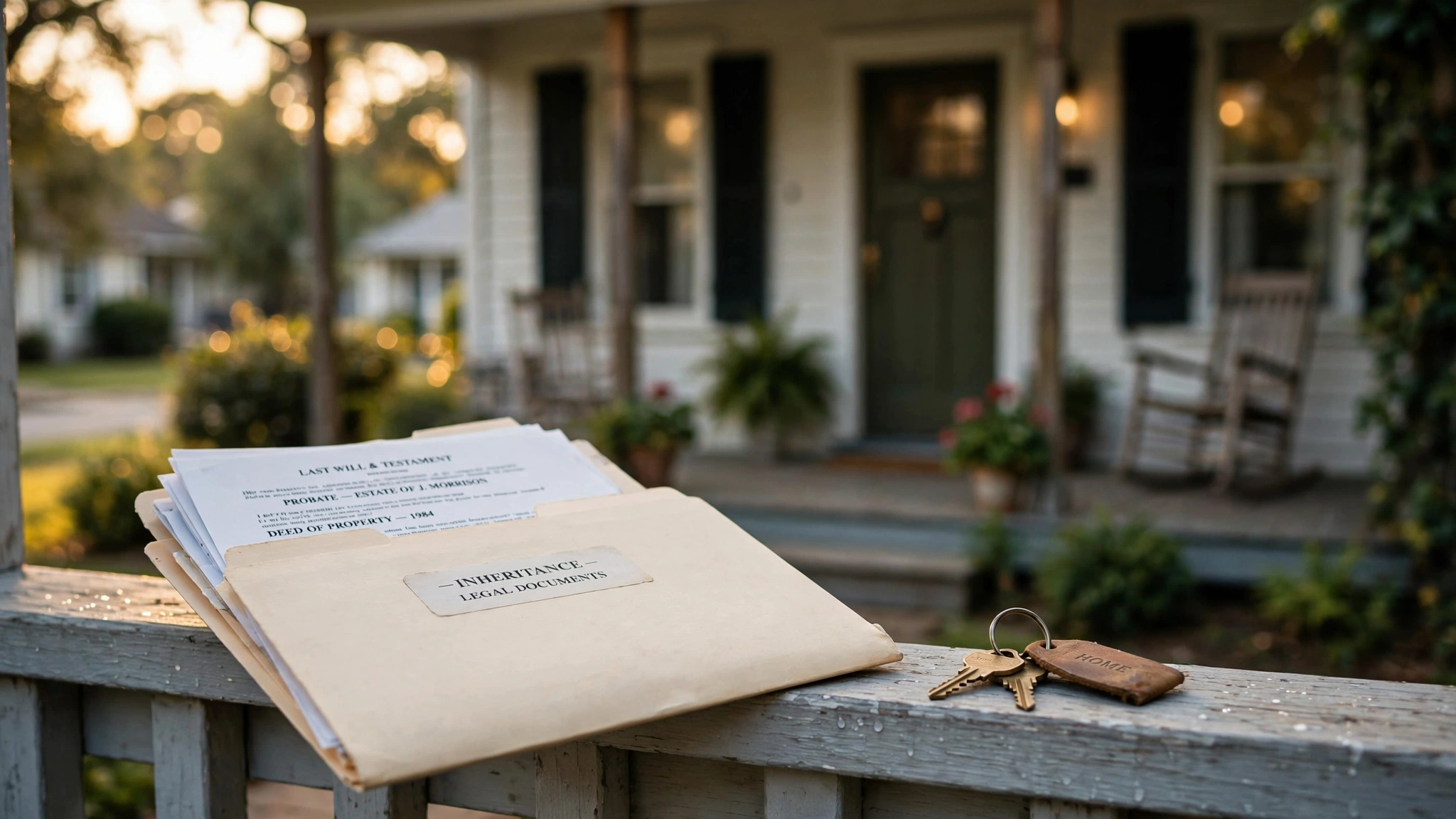
When a parent or relative passes away and leaves a house, the first practical question is often: how soon can we sell it? The honest answer is that it depends on your state, the size and complexity of the estate, and whether anyone disputes anything. Some estates wrap up in a few months. Others take a year or longer.
This guide walks through the stages of probate, shows where delays come from, and explains which situations let you sell sooner.
What Probate Does to a House
Probate is the court-supervised process of validating a will, identifying assets, paying debts, and distributing what remains to heirs. If the house was owned solely by the person who died, someone usually needs legal authority to sell it. That authority comes from the court: letters testamentary for an executor named in a will, or letters of administration for an administrator appointed when there is no will.
Until the court grants those letters, the house generally cannot be sold, even if every family member agrees.
The Typical Probate Timeline
Names and deadlines differ by state, but most probate cases follow these stages.
1. Filing the petition (days to weeks)
The named executor, or an interested family member, files the will and a petition with the probate court in the county where the person lived. Gathering the death certificate, original will, and a list of heirs can take a few weeks.
2. Court appointment (weeks to a couple of months)
The court schedules a hearing, notifies heirs and beneficiaries, and appoints the personal representative. If someone contests the will, this step can stretch considerably.
3. Notifying creditors (often several months)
Most states set a window during which creditors can file claims against the estate. Many states set this window at a few months, but the length varies. The representative generally cannot close the estate until that window ends and valid claims are handled.
4. Inventory and appraisal
The representative lists estate assets and often obtains a date-of-death appraisal of the house. This number matters for taxes and for setting a realistic sale price.
5. Selling the property
Some states allow independent or unsupervised administration, where the representative can sell without a separate court hearing. Other states require court confirmation of the sale, which adds time. Your probate attorney can tell you which rules apply.
6. Final accounting and distribution
After debts, taxes, and expenses are paid, the representative distributes the remaining proceeds and closes the estate.
What Slows Probate Down
- A contested will. A dispute among heirs can add months or years.
- No will. Dying without a will means the court appoints an administrator and state law decides who inherits. This usually takes longer to organize.
- Property in more than one state. A house in a different state from where the person lived may require a second, ancillary probate case.
- Heirs who disagree or cannot be located. A sale generally needs a clear path to distribute the proceeds.
- Complicated debts or taxes. Unpaid taxes, liens, or large medical bills take time to sort out.
- Court backlog. Some counties simply move slower than others.
Homes That May Skip Probate
Not every inherited house goes through the full process. Check how the title was held:
- Joint ownership with survivorship. The surviving owner typically takes full title automatically.
- Transfer-on-death or beneficiary deed. Available in some states, it passes the property directly to a named person.
- Living trust. If the house was placed in a trust, the successor trustee can often sell it without going through probate court.
- Small-estate procedures. Many states offer simplified processes for lower-value estates, though thresholds vary and a house can push an estate over the limit.
Pull the deed from the county recorder's office to see exactly how title was held. That single document can change your timeline dramatically.
What It Costs to Wait
A house does not pause while the court works. Property taxes, insurance, utilities, lawn care, and repairs keep coming, and a vacant home often needs special insurance coverage. Over several months these carrying costs add up and can reduce what the heirs ultimately receive. If the house needs work, deferred maintenance can lower its value the longer it sits.
Plan Your Sale While Probate Is Running
You do not have to wait until the court finishes to start preparing. Many executors begin early, within what their authority allows:
- Secure the property, change the locks, and keep insurance current.
- Ask a probate attorney what your state requires for the sale: court approval, notice to heirs, or neither.
- Get the house appraised or valued so you understand what it is worth as it sits today.
- Decide whether you want to repair and list the house or sell it as-is.
- Talk with a tax professional. Heirs generally receive a stepped-up tax basis tied to the home's value at the date of death, so a prompt sale often produces little taxable gain, but your situation may differ.
Selling As-Is Once You Have Authority
Inherited houses often arrive with dated interiors, deferred repairs, and a lifetime of belongings. Fixing and staging all of that while managing grief and paperwork is a lot. Fair Price Home Buyers purchases houses in any condition, with no commissions, no fees, and no cleanup or repairs required. We provide a fair, no-obligation cash offer, and you close on your timeline, whether that is as little as 7 days or after the court signs off.
If your sale needs court confirmation, we can work around that schedule. Request your cash offer to see a number early, then let your attorney guide the timing. For more detail on executor authority, read Executor Selling Inherited House During Probate.
The Bottom Line
Probate takes as long as your state, your estate, and your family make it. Learn how the title was held, confirm what authority you need, and line up your sale plan while the court process runs. This article offers general information, not legal advice. A local probate attorney can tell you the exact steps and deadlines in your state.
